Tesla's First Half: Record Revenue, Record AI Spending — And A 25% Stock Slide
Deliveries near an all-time high, revenue above $50 billion for the first time — and $425 billion of market value gone in a single month of July. A line-by-line look at where Tesla's money actually goes.
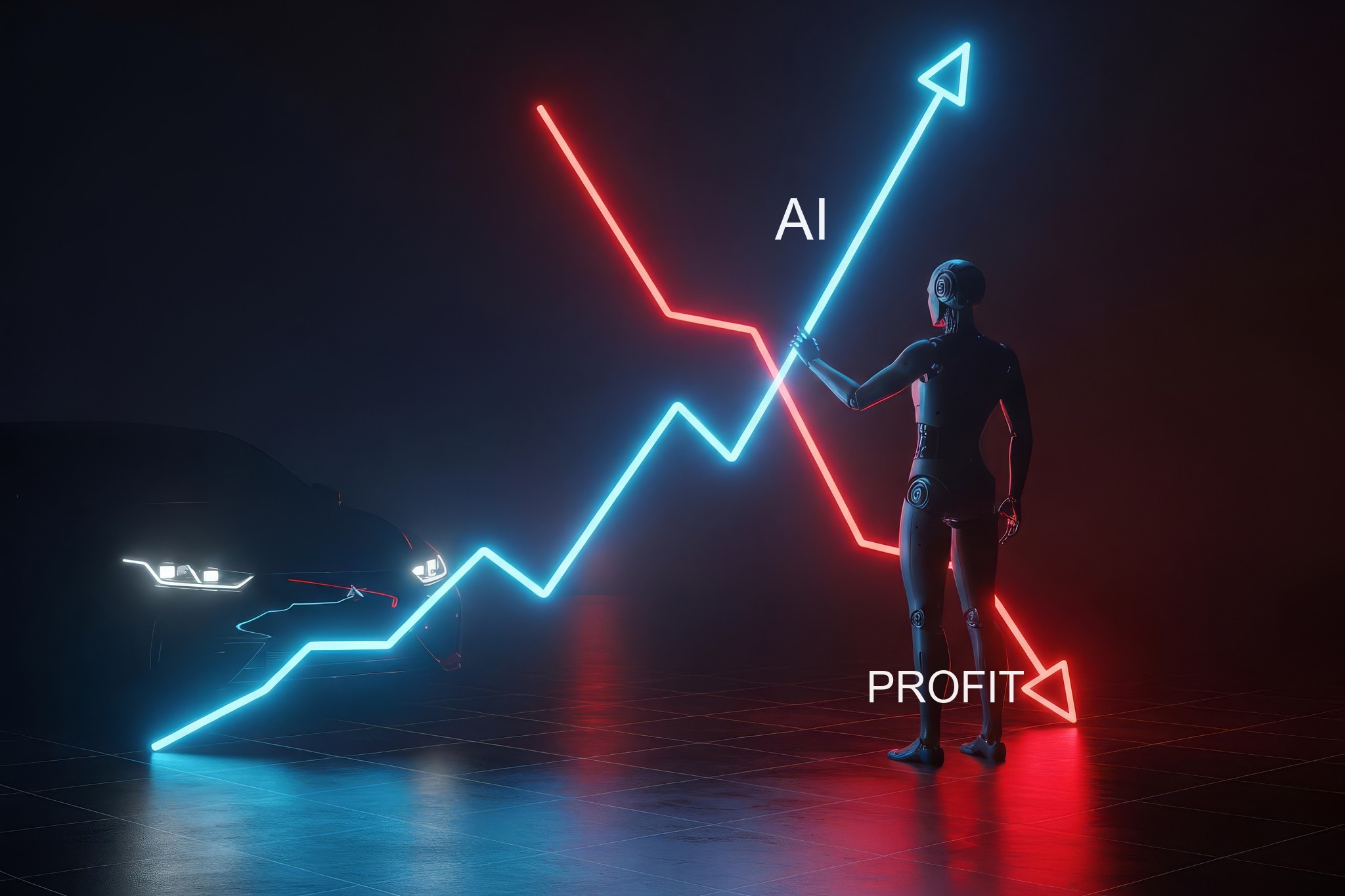
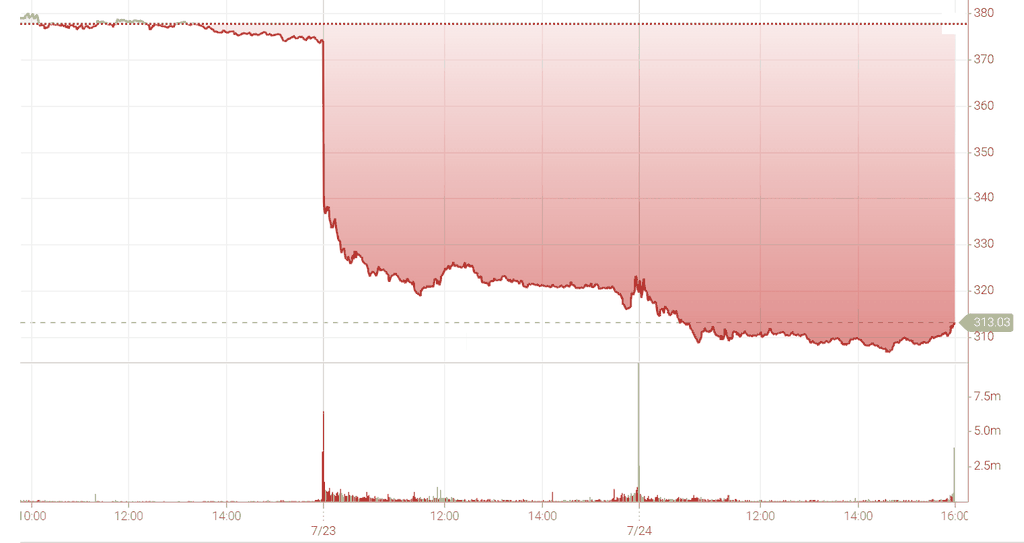
Tesla has closed the books on the first half of 2026 — and the numbers read two ways at once. Revenue set a record: $50.6 billion. Deliveries came in just shy of the all-time high — 838,000 cars, including the best second quarter in the company's history. Yet in a single month of July, Tesla's market value dropped by a quarter — $425 billion.
Why?
The table below points to the culprits: volumes, revenue and investment are all growing — while profit has been sitting at a six-year low for the second year running.
| Metric | 2026 | 2025 | Change |
|---|---|---|---|
| Vehicles delivered | 838,149 | 720,803 | +16.3% ▲ |
| Revenue, $B | 50.62 | 41.83 | +21.0% ▲ |
| Operating income, $B | 1.34 | 1.32 | +1.3% ▲ |
| Capital expenditure, $B | 8.28 | 3.89 | +113.1% ▲ |
The headline news first: despite the end of U.S. EV subsidies and cooling enthusiasm for electrification overall, Tesla's sales climbed nearly back to record territory — 838,000 vehicles in six months. And in the second quarter the company sold more cars than it built — 480,000 versus 452,000 — drawing down inventory.
Maybe revenue slipped, and profit with it? Not at all: despite competition and the price wars in China, revenue grew even faster — up 21%. For the first time in its history, Tesla booked more than $50 billion in a single half-year.
So with more cars sold and much more money coming in, profit should follow, right? It didn't. Operating income stayed at $1.3 billion — level with last year's trough, and nearly four times below where it stood three years ago.
Operating margin landed at 2.6% — less than one-sixth of the 2022 peak. Back then Tesla earned, in percentage terms, almost like Porsche; now it earns only a little more than crisis-hit Jaguar Land Rover, which is guiding to 0–2% for the year after its cyberattack.
Per vehicle, first-half operating profit averaged $1,598 — the territory of an ordinary volume carmaker, not of a unique technology company or a premium brand. In the second quarter taken alone, it was under a thousand dollars. How does that happen?
The cars are not the problem: Tesla is selling more of them, and the revenue they bring is a record. The question is where the money goes — and how it is booked.
Everything Goes Into Construction (And To Elon Musk)
Capital expenditure reached almost $8.3 billion in six months — and for full-year 2026 the plan is above $25 billion. And it is not about cars...
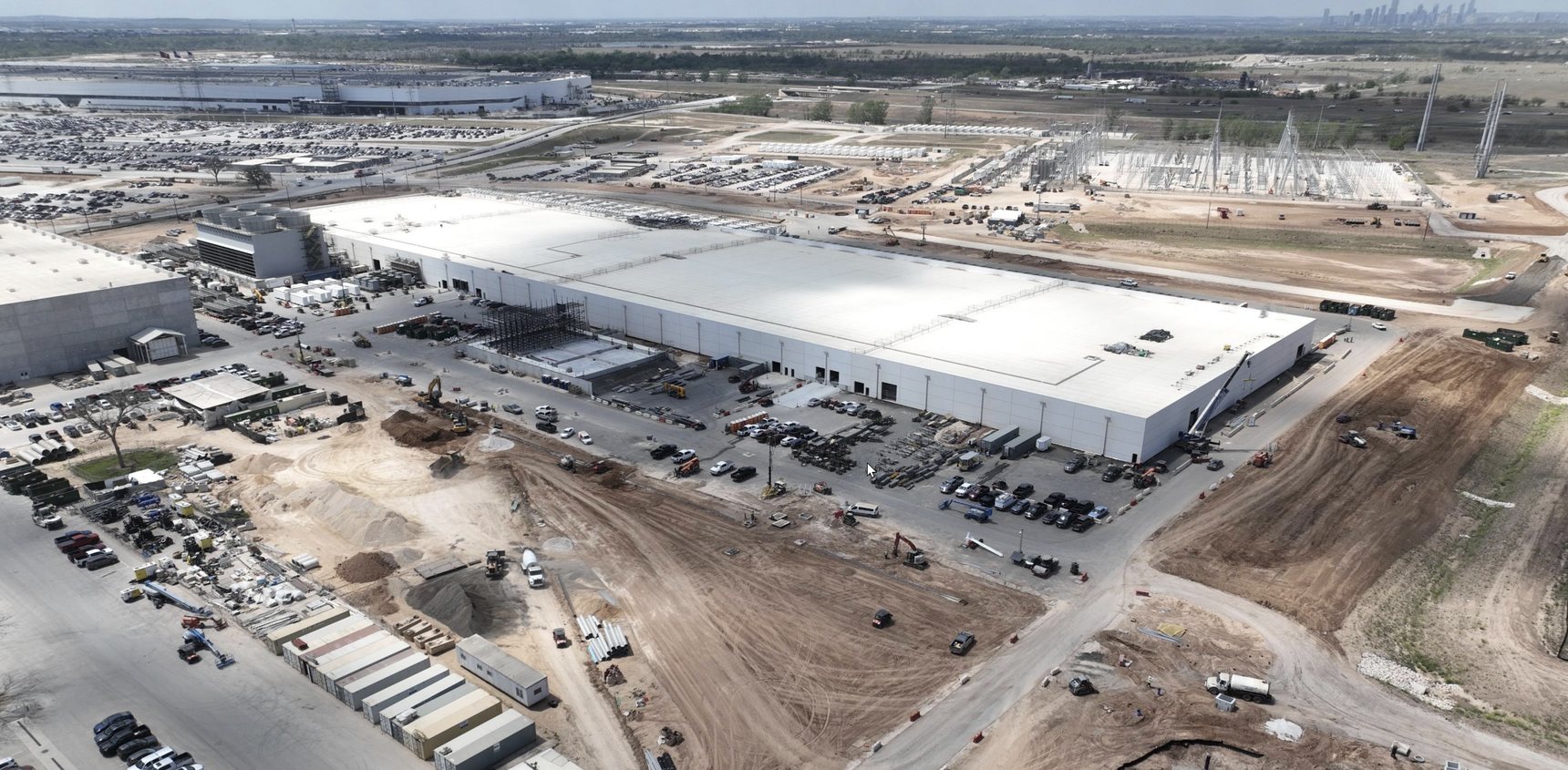
The biggest destination, by the company's own account, is AI infrastructure — Tesla's own compute and chip production. Over the first half, Tesla more than doubled its Texas compute: the Cortex 2 data center trains software both for the cars' self-driving stack and for the Optimus humanoid robot.
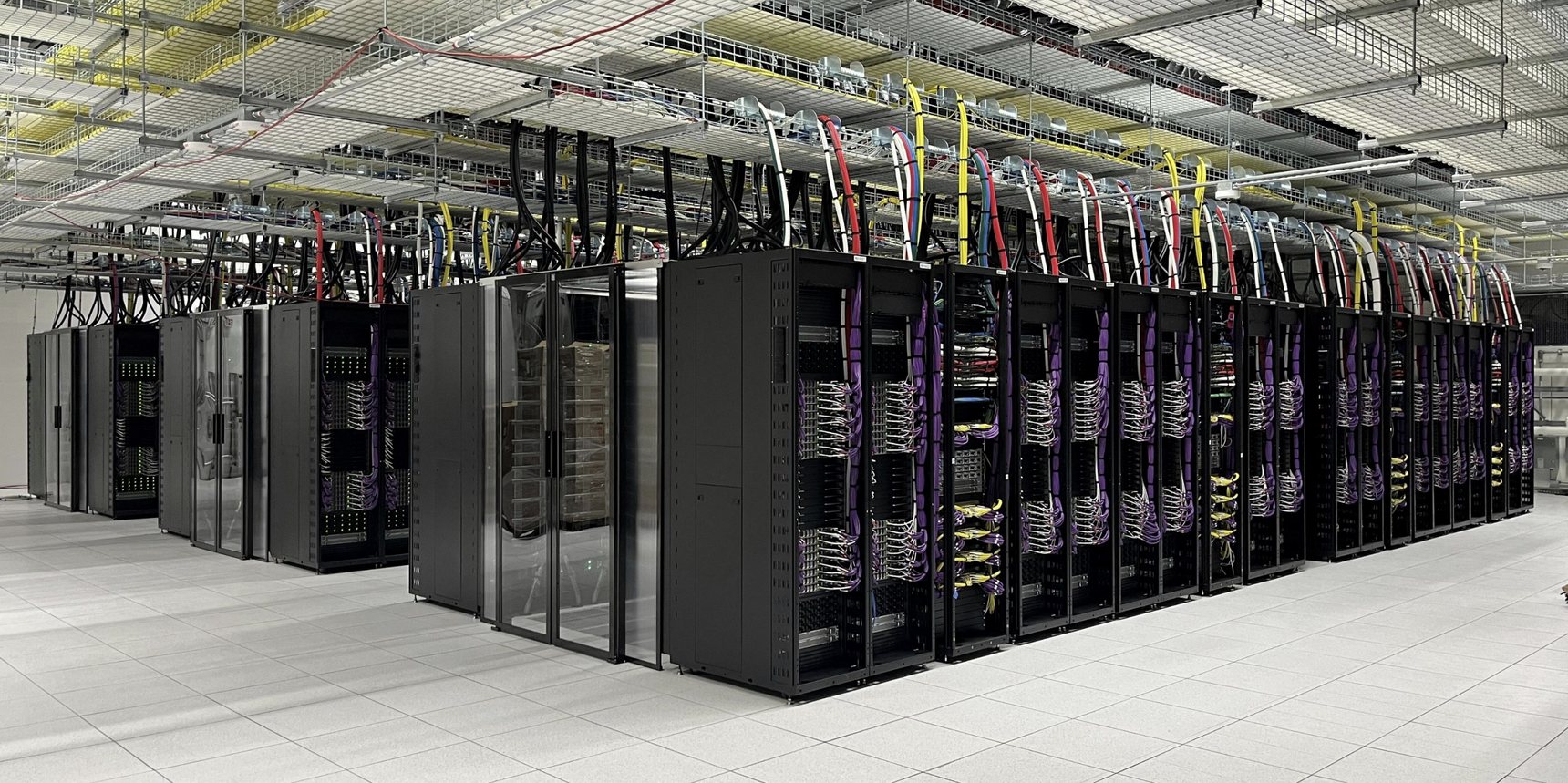
The bigger move: Tesla is standing up its own chip production together with Samsung. The flagship AI5 and AI6 processors are aimed at three products at once — the Cybercab robotaxi, the self-driving stack in production cars, and Optimus. Samsung is dedicating the newest 2-nanometer line at its fab in Taylor, Texas to them exclusively — with Tesla engineers, per Musk, working on the line.
Tesla is also building a semiconductor fab of its own in Austin — by the company's own admission, at the very beginning of the road. These are steps toward in-house chipmaking, into which Musk plans to pour, over time, more than $100 billion.
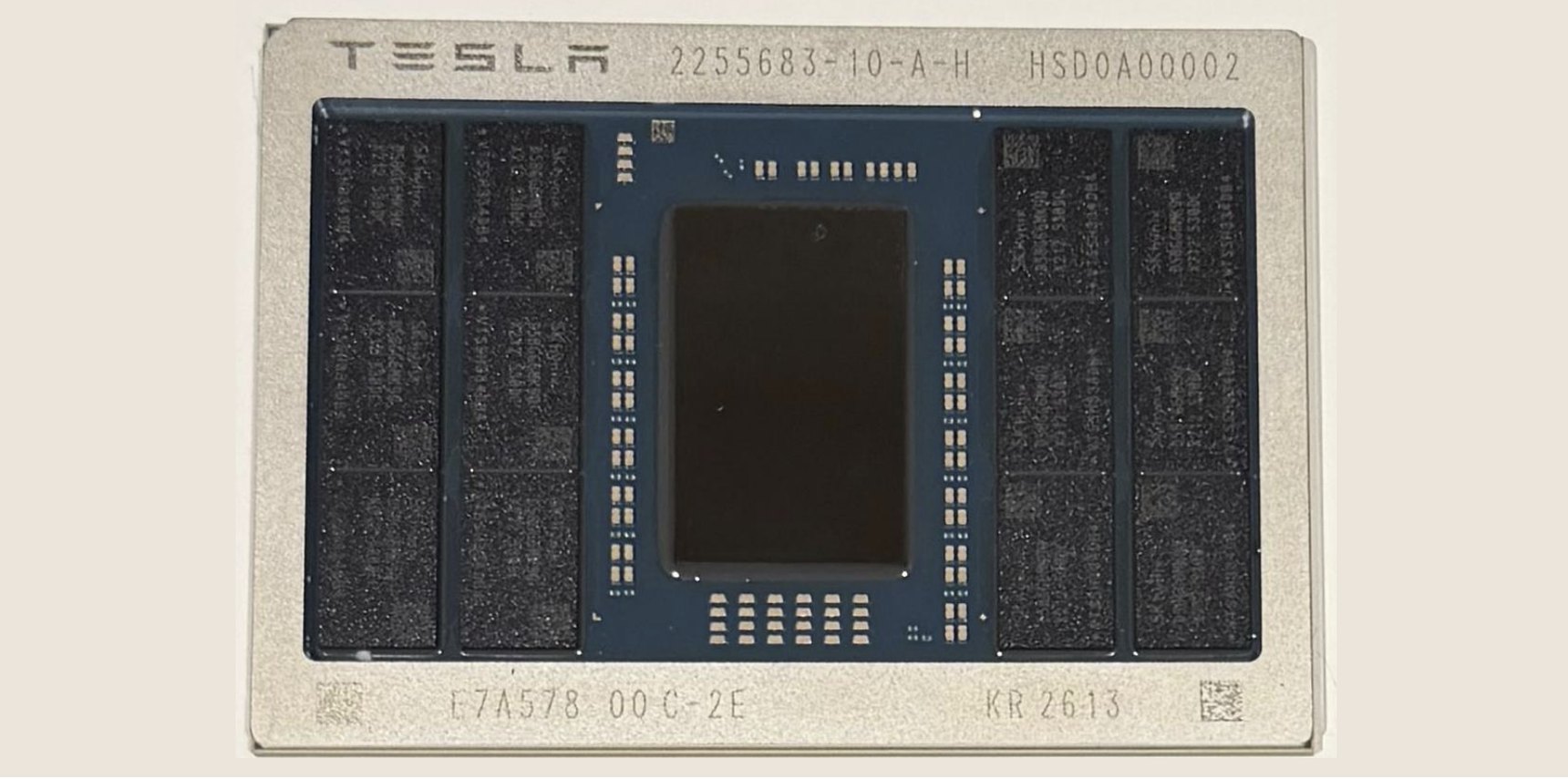
The newest processors, per Musk, are designed from the ground up for automotive and robotics AI, and in those tasks are comparable to Nvidia's flagship parts — at a far lower cost and with 3–5 times less power draw.
The comparison is loose: Nvidia's hardware trains any model in a data center, while AI5 and AI6 will work inside the car, on specialized tasks.
Last but not least: Elon Musk's compensation.
The stock-based-compensation line — which, per Tesla's report, includes his 2025 performance award for market-cap growth and delivery milestones — came to $2.18 billion for the half, versus $1.21 billion a year earlier: roughly 40% of the opex increase.
It costs no cash, though — paid in stock, it dilutes existing shareholders.
The report names other weights on profit too: lower selling prices on the cars themselves, regulatory-credit revenue that has almost dried up, and one-off energy warranty charges.
The Plans
The investors' main question: how do this year's $25 billion of investment turn into money?
Tesla itself names three paths.
First — the FSD self-driving subscription. It is a working business already, and it grows fast: 1.48 million active subscriptions at $99 a month. In the second quarter, more than 55% of new-car buyers in North America signed up right at purchase.
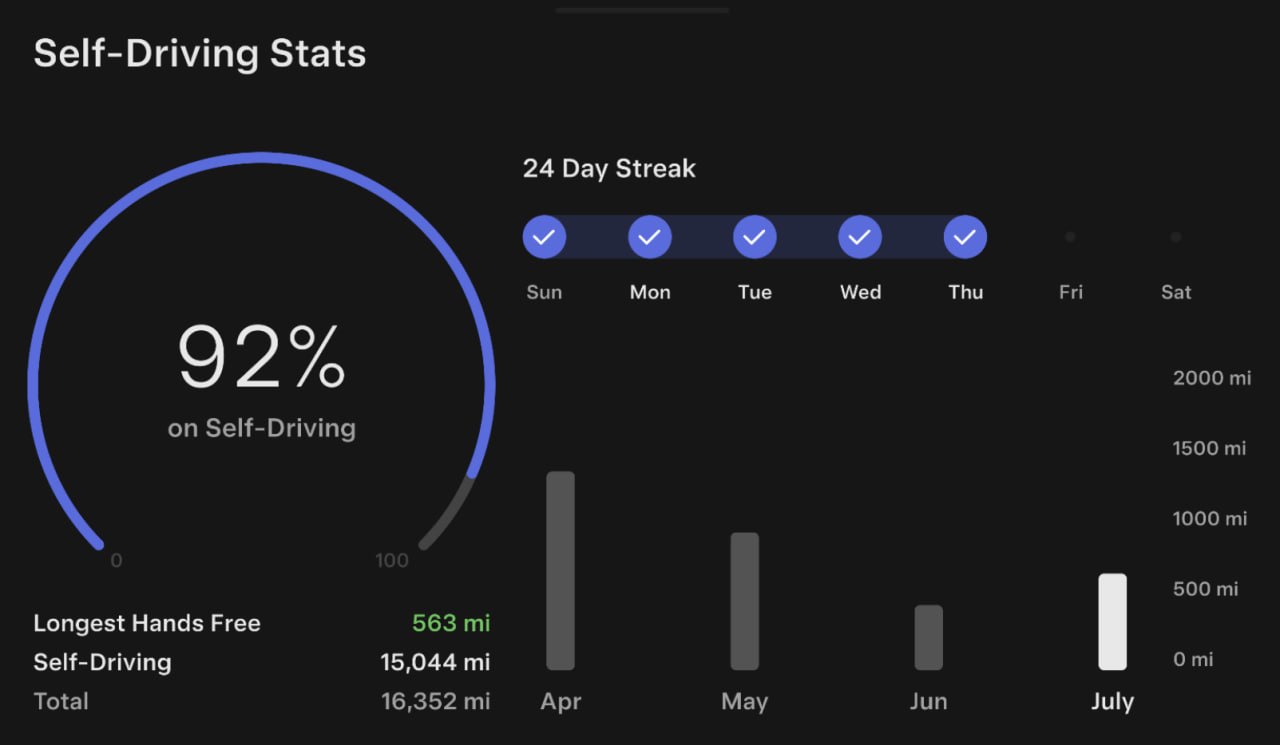
The whole base keeps building: active subscriptions rose from 0.95 to 1.48 million in a year — roughly half a million added. Getting to 10 million would mean about $12 billion of revenue a year. That will clearly take years — if that level is reached at all.
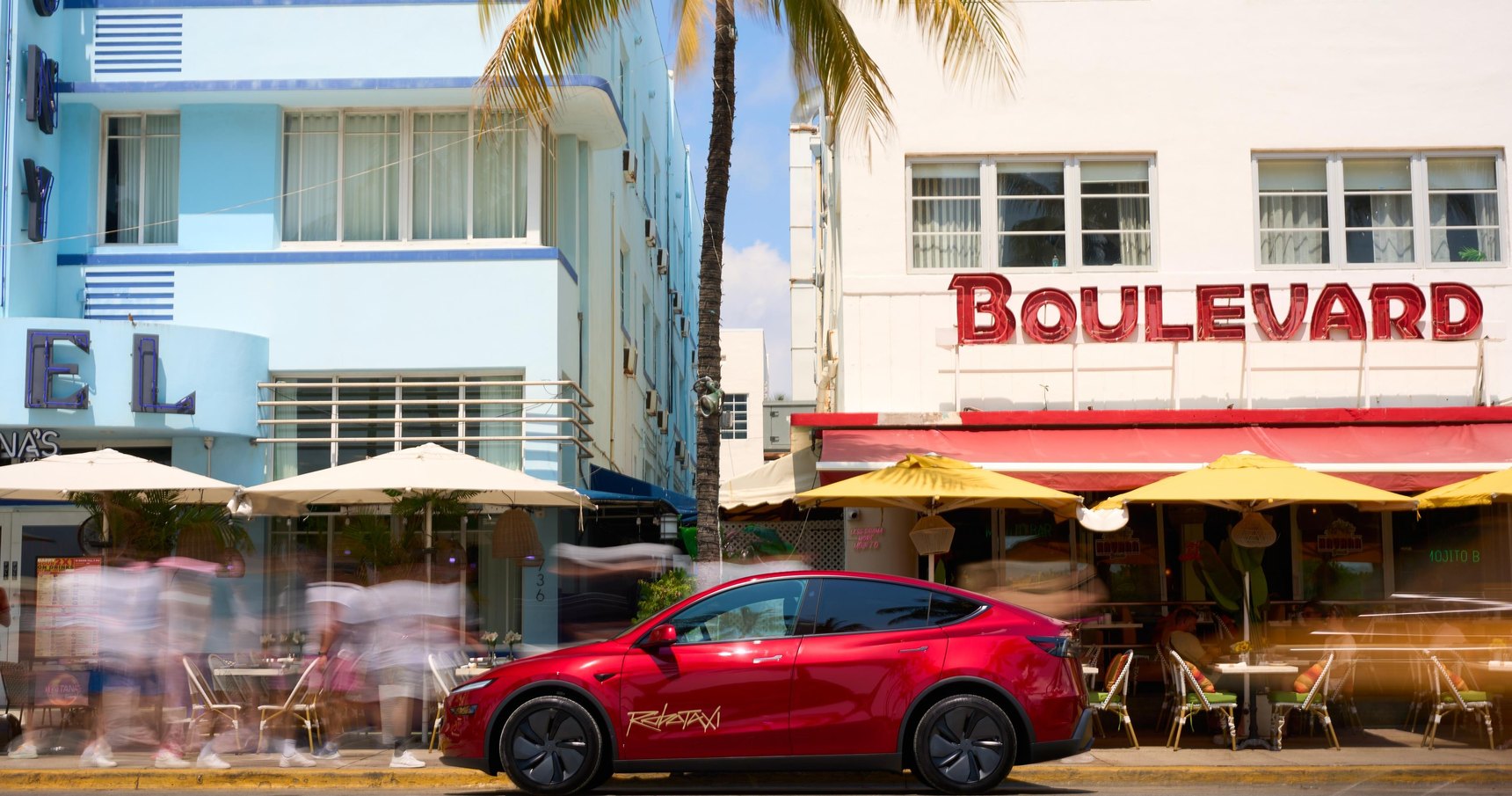
Second — the robotaxi. Giga Texas has capacity ready for more than 125,000 Cybercabs a year. That is what the plant can build; actual production has only just begun, and output so far amounts to a handful of vehicles.
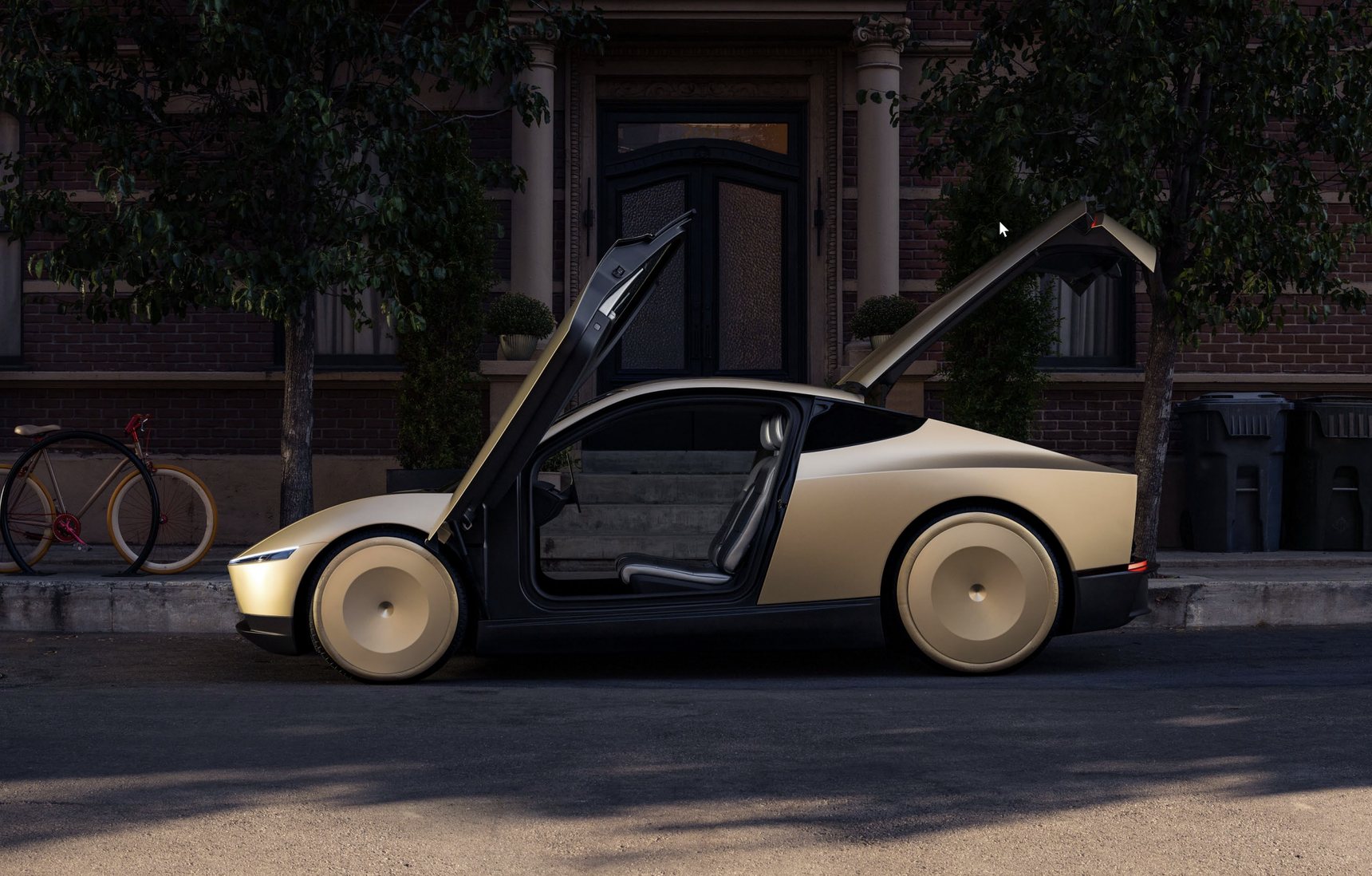
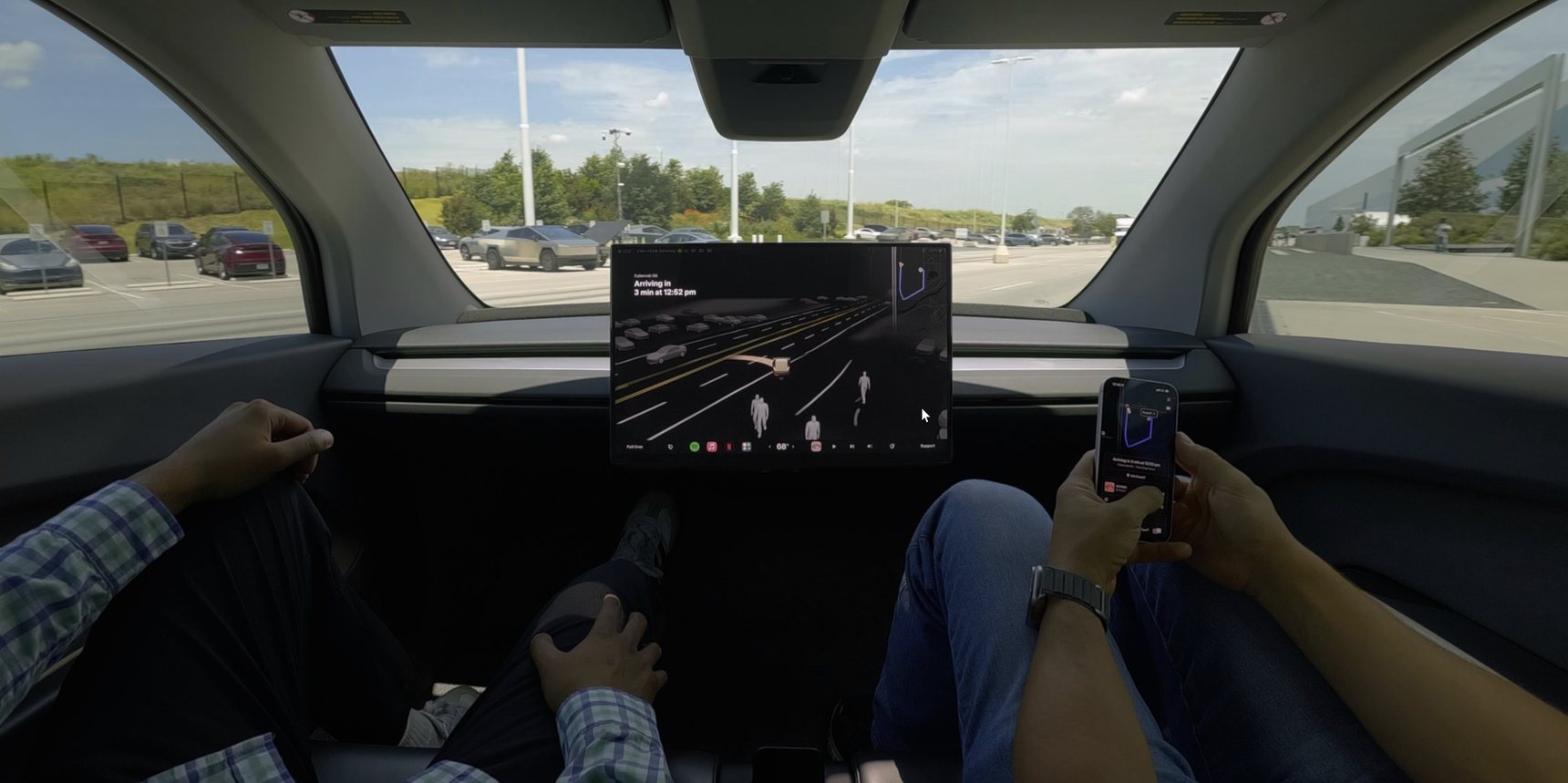
Yet Tesla's driverless taxi service is already running — with limits — in seven U.S. cities, on outwardly ordinary Model Ys with nobody at the wheel. According to press estimates the fleet is tiny, up to 60 cars nationwide: in effect, a beta test. The operation is commercial, though — paid robotaxi miles now sit as a separate line in Tesla's report.
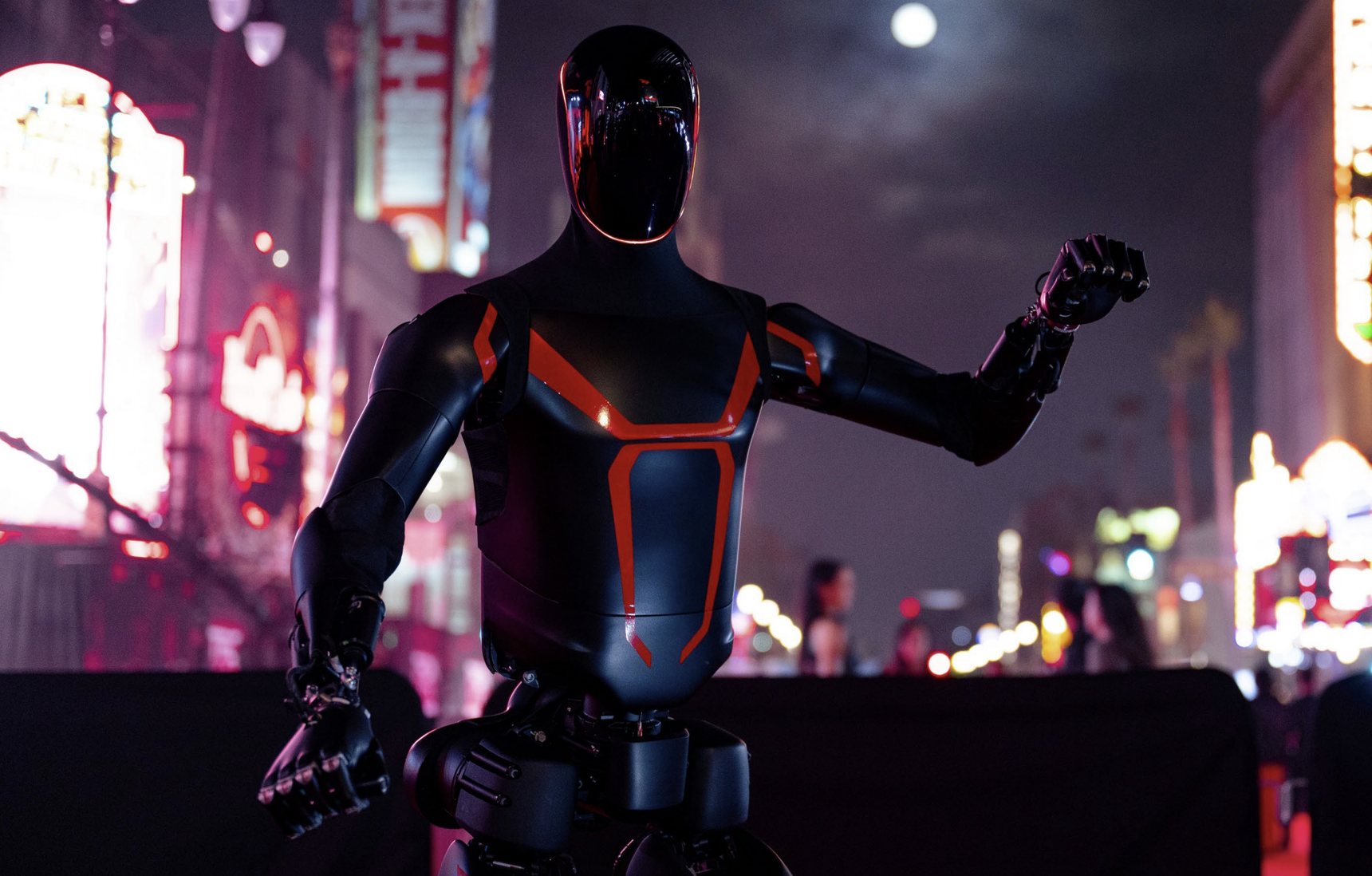
Third — the most innovative and the riskiest project — the robot. Optimus production will take over the Fremont, California plant, on the lines vacated by the discontinued Model S and X, which Tesla has already dismantled. Another site is under construction in Texas. Beyond the test period, the open questions are real-world deployment — and regulation.
New Cars? Only The Semi And The Roadster Inching Closer
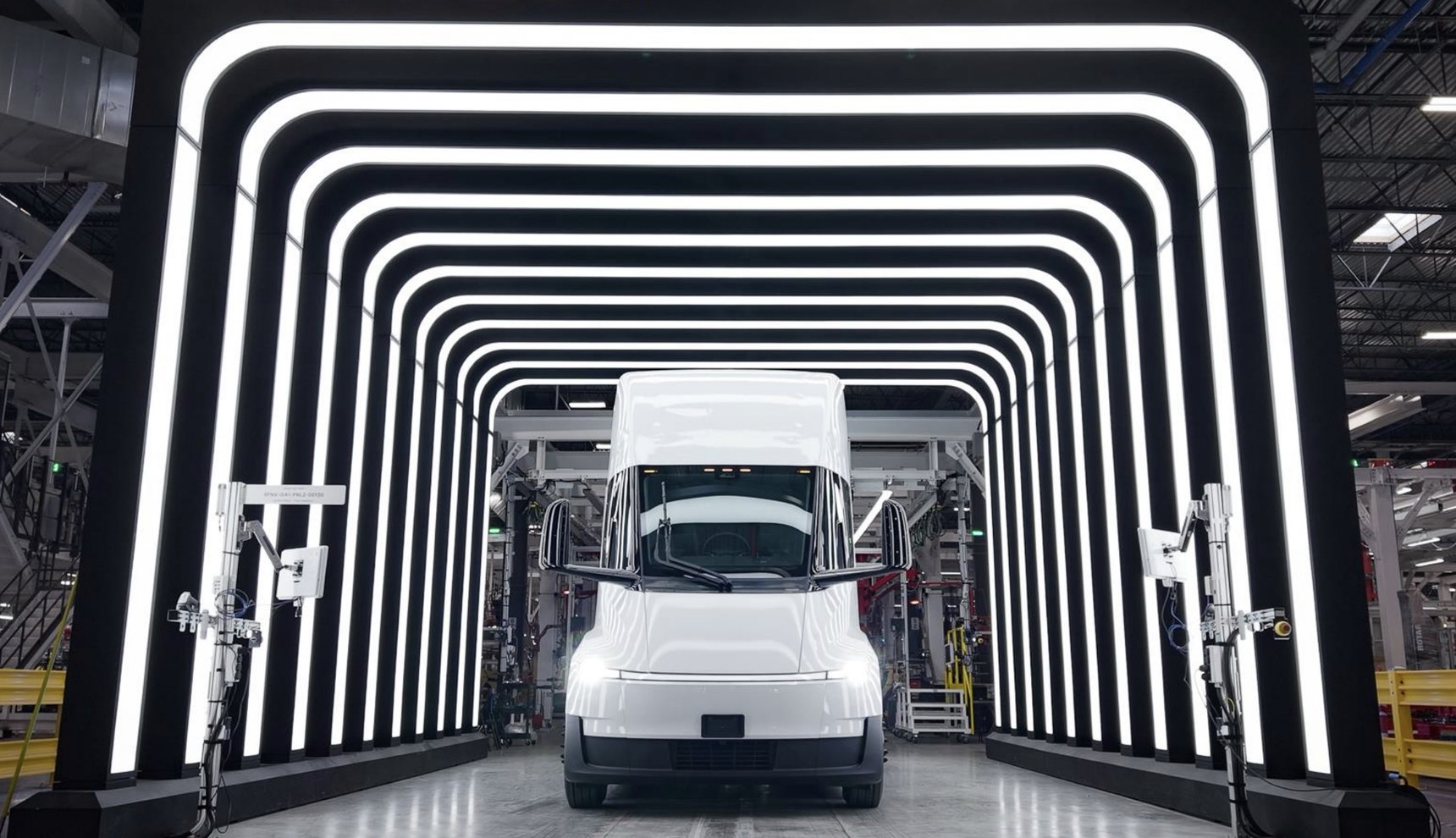
The electric Semi truck, first shown back in 2017, finally has a plant of its own in Nevada. It is not rolling off the line yet: the report lists the site as in commissioning, with production slated to start by the end of this year.
The new Roadster still has no date, no production site and no specifications. But it has not vanished from the reports: a reveal is scheduled for August 2026 — and nobody has called it off.
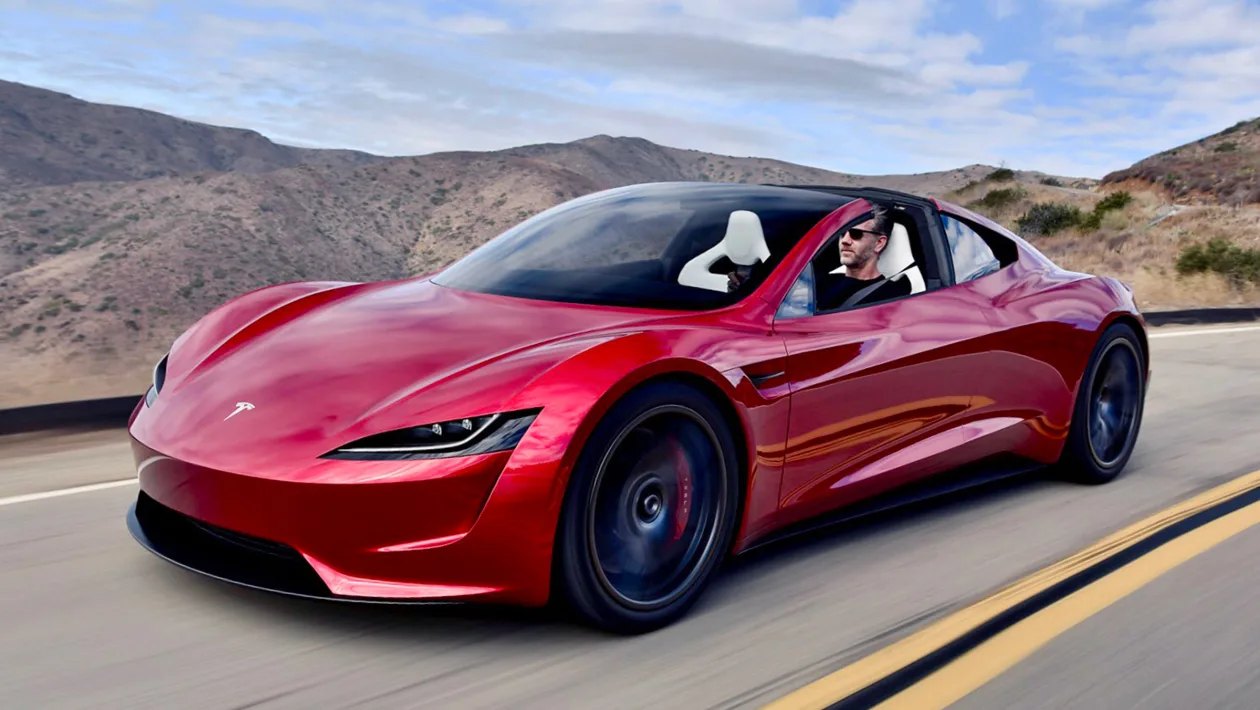
The current work is said to be the integration of the “SpaceX package” Musk promised back in 2018 — about ten cold-gas thrusters venting compressed air through nozzles, with no combustion, no fuel and no flame. A high-pressure tank goes where the rear seats were; the promised effect is 0–60 mph in under a second, plus brief hops off the ground.
The Roadster will put Tesla back on magazine covers — but its role is clearly not profit. It is a halo car.
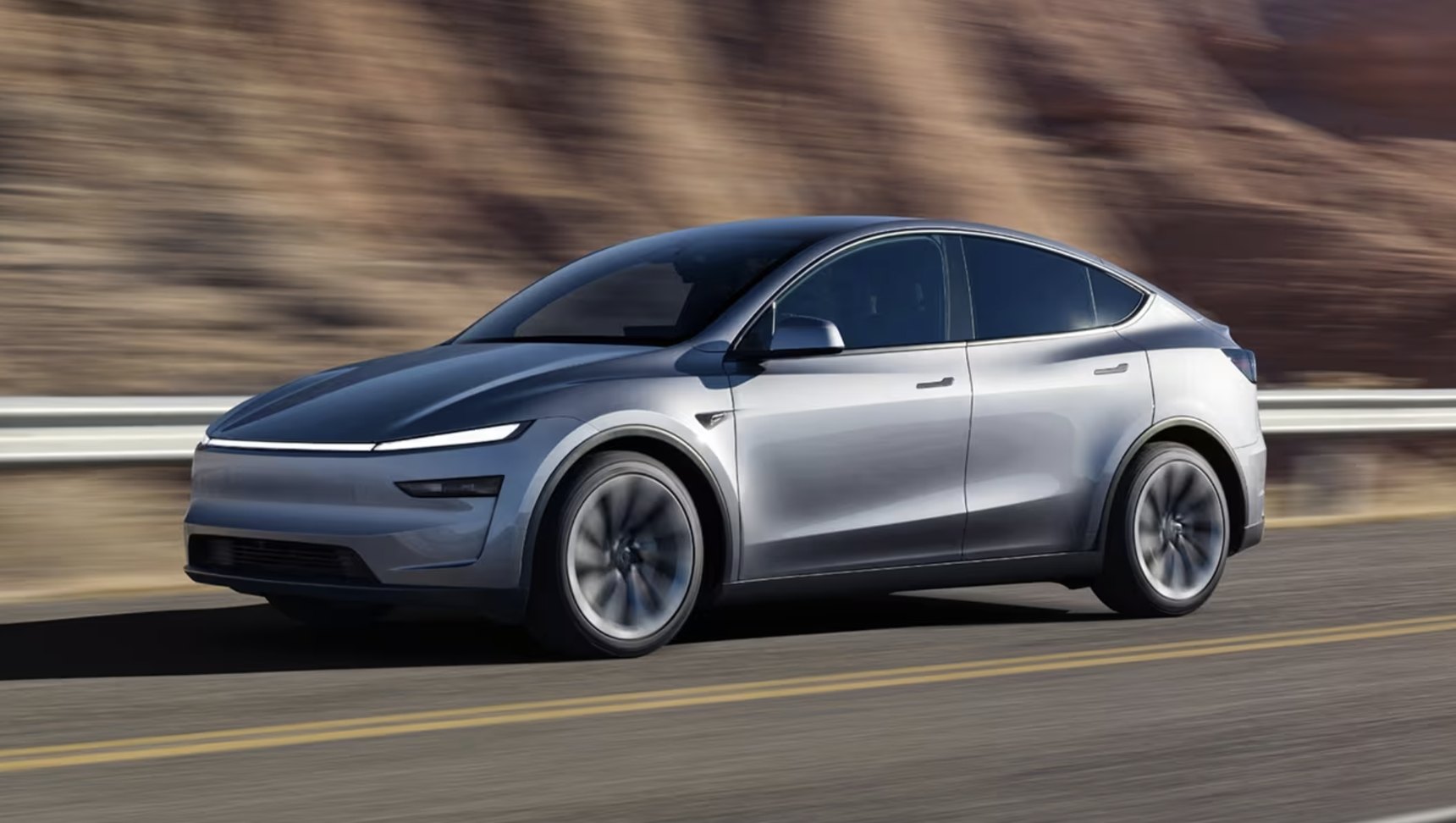
The volume models, meanwhile, are promised no renewal at all. There are no big debuts — but the restyled Model 3 sedan and Model Y crossover have done their job: sales held near 1.7 million cars a year.
Finances And Valuation
So does Tesla face financial risk? Neither on profitability nor on its ability to borrow. If anything, the company is swimming in cash — both the pile it sits on and the flow still coming in.
While other automakers borrow, Tesla holds $43.5 billion in cash — and earned almost a billion dollars ($856 million) in the half on interest alone.
The business throws off plenty of cash: operating cash flow for the half was $8.6 billion — on a lineup that effectively rests on one fully sorted car. But almost everything earned went straight back into construction: capital expenditure was $8.3 billion.
So the “unprofitability” of the core business is less mysterious than it looks. The cash did not get lost — it turned into factories, data centers and chip fabs, and that money moves through the cash-flow statement, not the income statement. What the income statement carries is the $3.2 billion of depreciation on capacity already in service, plus the swollen stock compensation — and together they grind the earnings down to the very $1.3 billion everyone is so disappointed by.
And so, on the eve of the report — and especially in the first minutes after it — investors sold, knocking almost a quarter of a trillion dollars off the valuation in two days. But why?
It seems retail investors simply do not buy Elon Musk's plan: what kind of car company barely launches new cars, pours everything into some data centers and chips — and is valued at anywhere from six to thirty times the biggest automakers?
Yet even after the fall, the valuation is extraordinary. At $1.2 trillion it is higher than a year ago — and six times Toyota's. Toyota, meanwhile, built seven times more cars last year (11.3 million) — and beat Tesla on profit by about as much: $26 billion versus $3.8 billion.
Tesla's extreme valuation was built in the years when three things grew at once: sales, profit — and the expectation of revolutionary innovation.
Tesla has more genuinely new bets in flight today than at any point in its history. But without growth in sales and profit, not everyone is prepared to dig in and wait.
That, though, is Musk's vision: a company of a new type — software, artificial intelligence, autonomous cars and robots. Tesla now belongs in one category with Nvidia, Apple and Oracle rather than with the auto industry.
Risky? Certainly: nobody has yet made autonomous taxis and trucks work without lidars at commercial scale — let alone “household” robots on processors of their own design.
But Tesla has set its own nearest checkpoint: by its schedule, all of this must be in service — in one form or another — within this year.
Investors and car enthusiasts alike will have plenty to watch, and plenty to argue about, in the years ahead...
Alexey Kardo has spent over 10 years across the IT and automotive industries and holds degrees and certificates in economics, management and AI — including programs at Berkeley, Harvard and the Anthropic Academy. He builds AI systems for business and analyzes carmakers through their financial statements.
Every figure in this piece is recomputed from Tesla's Q2 2026 and Q2 2025 shareholder decks and is checkable line by line. Data: Tesla IR, CNBC, Nasdaq. Cover illustration and charts prepared with the AI Boss system.